



Teacher of English to Speakers of Other Languages - ANZSCO 249311
Skilled occupation profile
Teacher of English to Speakers of Other Languages
ANZSCO 249311Teacher of English to Speakers of Other Languages teaches classes in English to students whose first language is a language other than English.
Occupation guide
Occupation details and migration pathways
This guide brings together the key occupation tasks, possible visa pathways and skills assessment information for Teacher of English to Speakers of Other Languages ANZSCO 249311.
Typical tasks and duties
ESL teachers may perform the following tasks:
- teach students basic or advanced English language skills
- teach students individually and in small groups outside of the regular classroom, or assist students within normal classroom settings
- diagnose and assess English language competency in students whose first language is a language other than English
- provide assistance to regular classroom teachers by designing special teaching programmes for students with English language difficulties
- provide advice concerning the community services available to assist students with English language difficulties.
Possible visa pathways
This occupation appears on STSOL and Skilled Employer Sponsored Regional Occupations. The right visa pathway depends on factors such as your age, English level, qualifications, work experience, skills assessment, points score, nomination options and employer sponsorship.
Skills assessment
For skilled migration purposes, Teacher of English to Speakers of Other Languages usually requires a suitable skills assessment. Relevant assessing authorities may include:
Additional occupation-specific assessment information
Teacher of English to Speakers of Other Languages is classified as Group A occupations by Vetassess. The criteria for skills assessment of Group A occupations is to hold qualification(s) assessed at Australian Bachelor degree or higher degree with a highly relevant field of study and at least one year of post-qualification highly relevant employment in the last five years.
According to Vetassess, To be assessed positively for this occupation, applicants must hold at least a Bachelor degree in the relevant discipline, i.e. TESOL or English as a Second Language Teaching. This is the study of theories, methods and practice of teaching English to those whose first language is other than English, including teaching children in school settings and teaching adults and children in other settings (ASCED). General studies in English Language and Literature without additional qualifications in TESOL will usually not be assessed positively.
Legacy subclass 187 pathway
Do you currently hold, or have you previously held, a subclass 457 or 482 visa?
If you have worked for a sponsoring employer in regional Australia, please note that Teacher of English to Speakers of Other Languages — ANZSCO 249311 was included in the legacy Regional Sponsored Migration Scheme (subclass 187) occupation list. The subclass 187 Direct Entry stream is closed to new applications, but the Temporary Residence Transition stream may remain available to certain transitional subclass 457 and subclass 482 workers. Eligibility is limited and depends on your visa history, relevant dates, sponsored regional employment, employer nomination, age, English and other requirements. Being included on this occupation list does not establish eligibility.
If this may describe your circumstances, we can assess whether the subclass 187 transitional arrangements may still apply to you.
Check your options
Check your skilled migration options
If Teacher of English to Speakers of Other Languages is your nominated occupation, complete our skilled visa assessment form so we can review your possible migration pathways.
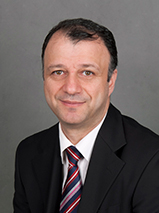
Reviewed by Principal Migration Consultant
Reviewed by Mohammad Reza Azimi
This occupation page has been reviewed for migration context by Shada Migration Services. Mohammad has assisted clients with Australian migration matters since 2009 and holds a Graduate Certificate in Migration Law from the Australian National University.
Last reviewed: July 2026